Mechanical repair belongs in your collision claim whenever the accident damaged a system the car needs to drive safely, such as steering, suspension, alignment, A/C, the cooling system, the driveline or brakes. That damage is often hidden behind a bumper or behind a wheel, so it is found during inspection and teardown and then documented for your insurer. At Don Wood's Athens Collision Repair, factory trained technicians handle mechanical repairs under the same roof as body, frame and paint work.
Definition. Collision related mechanical repair is the repair or replacement of mechanical components, such as suspension parts, steering linkage, cooling and A/C parts or brake components, that were damaged by the force of an accident rather than by normal wear.
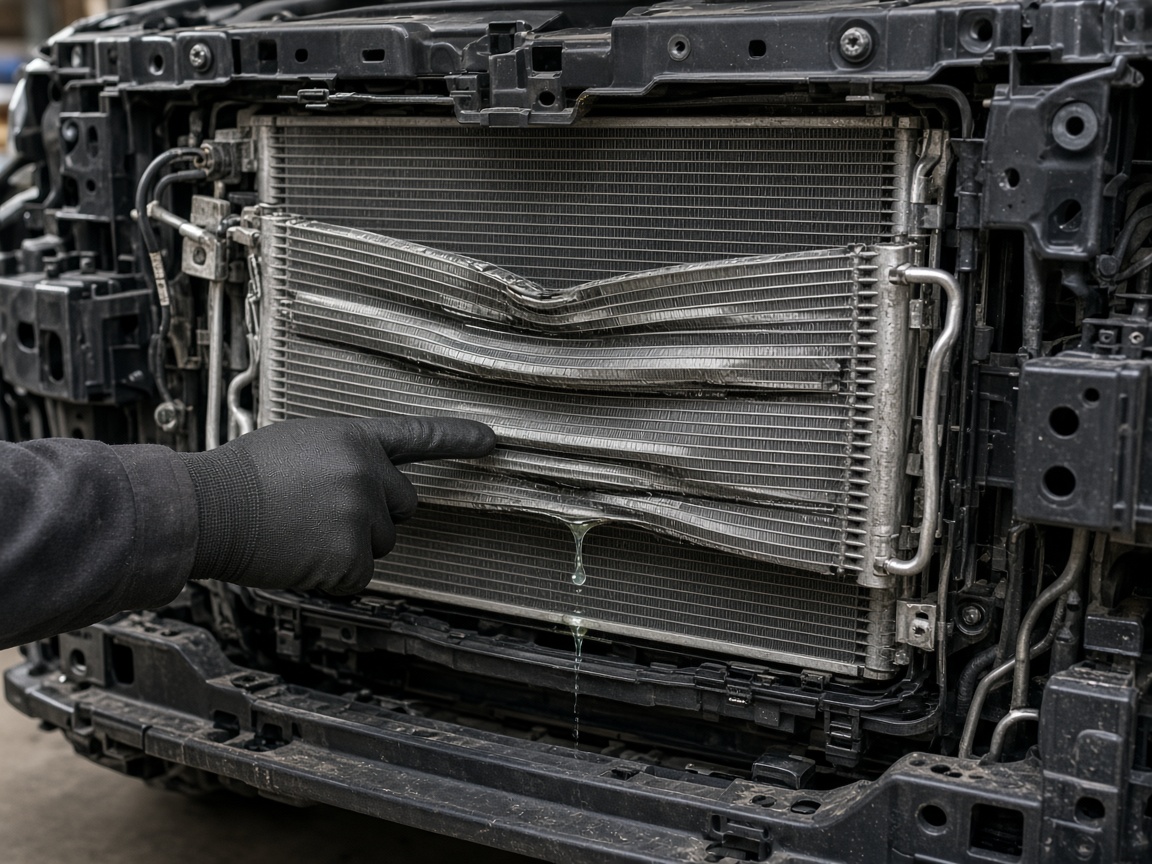
Bumper covers are designed to flex, and many of them pop back into shape after a hit. What sits behind them does not. In a front-end collision, the A/C condenser and radiator are mounted just behind the grille and bumper reinforcement. A moderate impact can crush condenser fins, crack a radiator tank or kink a hose, and the car may still start and drive away from the scene.
Wheel hits work the same way. When a tire strikes a curb, a guardrail or another vehicle, the force travels into the wheel, the knuckle, the control arms, the tie rods and the strut. Those parts can bend without any visible damage to the body panels above them.
This is why a collision estimate should not stop at the paint. Athens Collision Repair technicians inspect each vehicle to identify both visible and hidden damage before repairs begin, and if more damage is found once panels and components are removed, the shop documents it, updates the estimate and communicates with your insurance company.
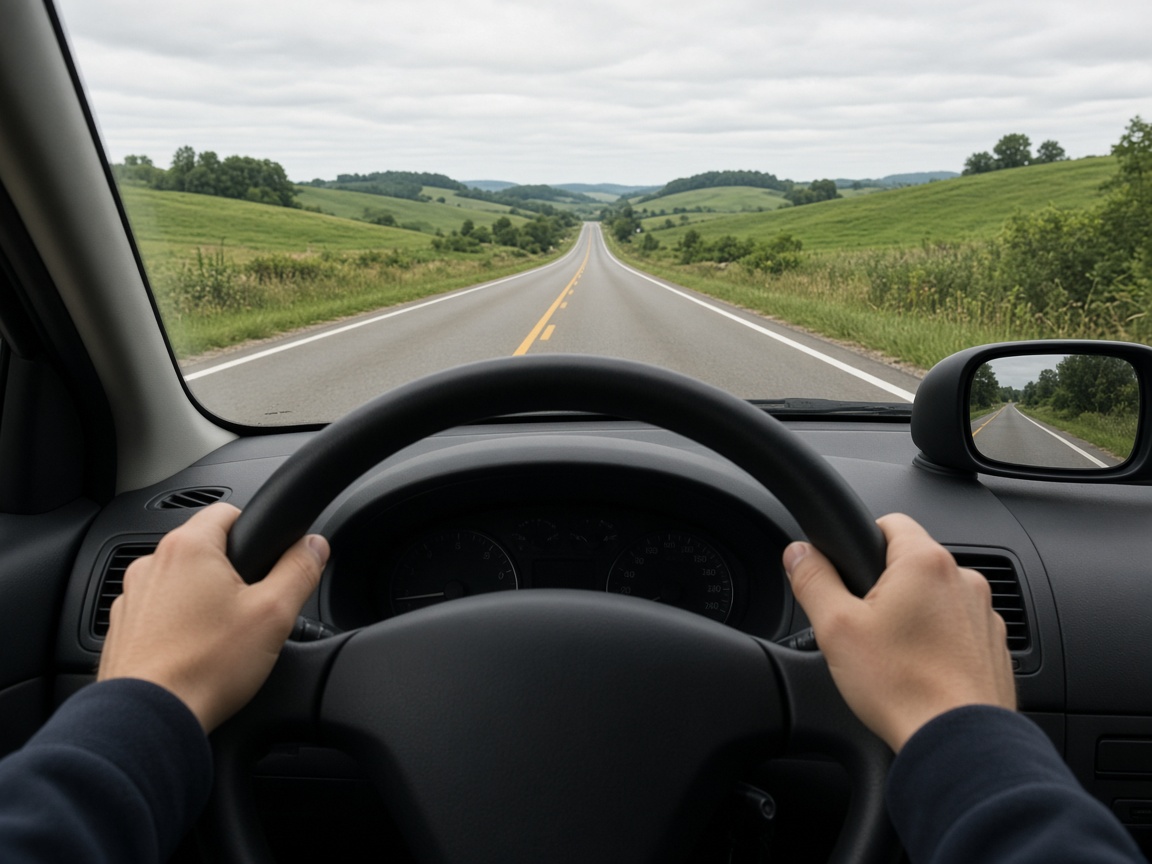
Some mechanical damage announces itself right away, and some shows up days later on the drive to work. Pay attention in the first few trips after any accident, even one that seemed minor.
| What you notice | What it can point to |
|---|---|
| Steering wheel off center when driving straight | Bent steering or suspension parts, alignment out of specification |
| Car pulls to one side | Alignment, a bent component or a structural shift |
| Vibration or a new noise over bumps | Suspension or wheel damage |
| Temperature gauge climbing or coolant under the car | Radiator, hose or cooling system damage |
| A/C blowing warm | Condenser or line damage and refrigerant loss |
| Soft pedal, grinding or a brake warning light | Brake line, caliper or around the wheel damage |
If the vehicle is leaking fluid, overheating, pulling hard or showing a brake warning, do not keep driving it. Call 740-589-3636. Athens Collision Repair keeps a list of reliable local tow companies and can arrange your tow, store the vehicle and repair it. Towing a vehicle with mechanical problems straight to the shop lets technicians inspect it and coordinate with your insurer sooner.
Keep notes and photos of each symptom and when it shows up, such as a pull only under braking or a vibration only above highway speed on U.S. 33. Those details help the estimator connect the problem to the accident and help the technician find the cause quickly.
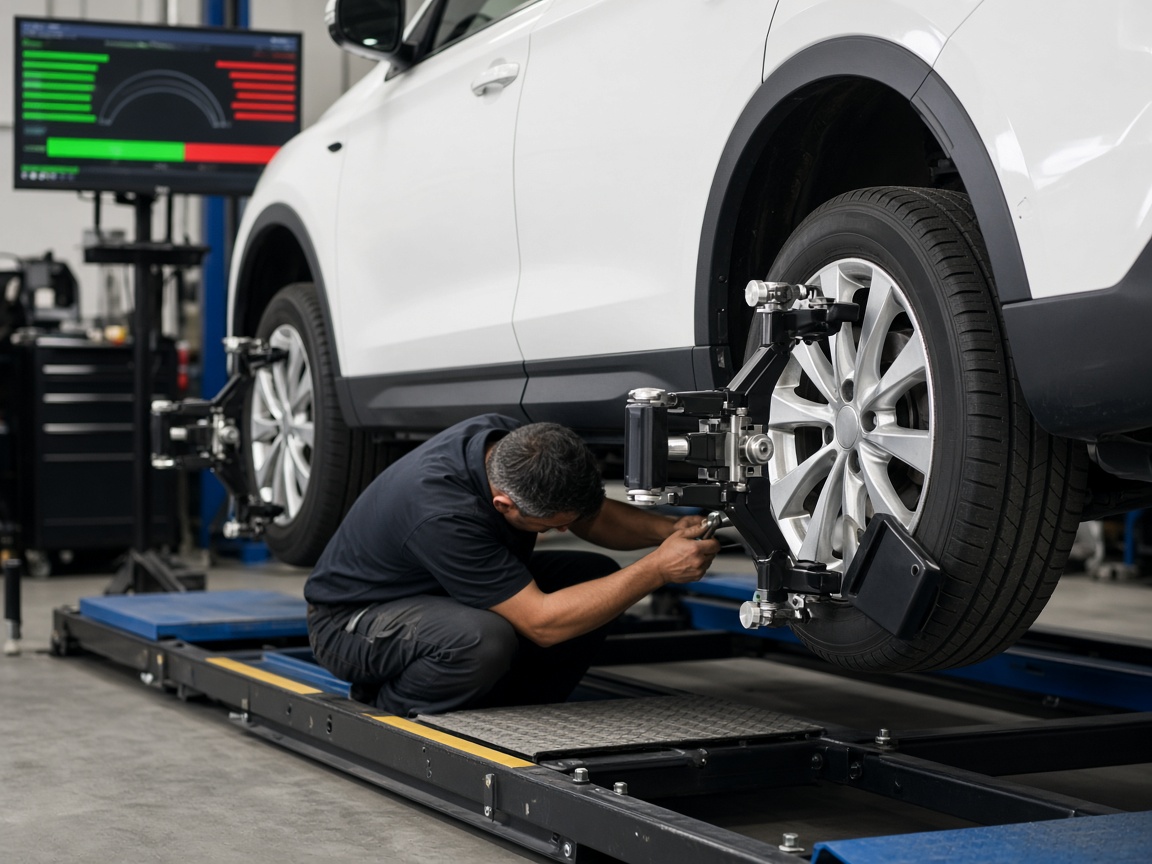
Steering and suspension parts keep the vehicle stable and predictable, and alignment keeps the wheels pointed where the manufacturer intended. After a collision, technicians inspect these systems and repair or replace parts that were damaged, then set the alignment so the wheels are properly positioned according to manufacturer specifications.
Improper alignment can cause uneven tire wear and affect handling. A car that pulls or has an off center steering wheel after an accident should never be written off as just an alignment issue until the parts behind it are checked. If a control arm or tie rod is bent, the alignment will not hold, and the car may still pull after it leaves the rack.
Suspension mounting points are part of the vehicle's structure. If an impact shifted them, the fix starts on the frame rack. Athens Collision Repair uses a Chassis Liner frame rack and the Chief Velocity computerized laser measuring system, with full-color reports before, during and after repairs, so suspension parts are mounted to a structure that is back in specification. Learn more about frame straightening.
Once structural and mechanical repairs are complete, the alignment is the final step that brings handling back. That sequence is why it helps to have body, frame and mechanical work done in one place rather than split between shops.

Mechanical repairs that result from the accident belong in the same repair plan as the body and paint work. The key is documentation. Athens Collision Repair inspects the vehicle, records what was damaged and how it relates to the impact, and includes it in the estimate. If more damage is found once components come off, the shop documents the findings, updates the estimate and communicates directly with your insurance company.
When body, frame and mechanical repair happen in the same shop, there is one estimate, one point of contact and one plan. The shop works with all insurance providers and handles communication with your insurer directly. Ask the estimator to walk you through every mechanical line on the estimate, so you know what was found and why it is part of the claim. Factory trained technicians have the tools to fix it right the first time, and Toyota Rent-A-Car on site helps you stay mobile while the work is done.
After pickup, drive normally and watch for any return of the symptoms you noticed before. If something does not feel right, call the shop.

Drivers around Athens split their miles between four lane highways like U.S. 33 and Route 50 and winding two lane county roads toward The Plains, Nelsonville, Glouster and Albany. A collision that seems minor in town can show its real damage once the car is back at highway speed or on a curvy rural road, where a slight pull, a shimmy in the steering wheel or a brake that grabs on one side is easier to feel.
When your vehicle comes to 830 E. State St., the estimate does not stop at the bumper cover. Factory trained technicians check steering and suspension parts, wheel alignment, the cooling system and A/C, the driveline, and brakes and everything around the wheel for damage connected to the impact. Anything they find is documented and added to the same claim instead of turning into a separate repair bill weeks later.
Because the shop handles body, structural and mechanical work under one roof, the alignment can be set after the bodywork is finished, before you drive it home.
If the car is not safe to drive after the accident, the shop can help arrange a tow from a reliable local tow company, and Toyota Rent-A-Car on site keeps you moving while the mechanical and body repairs are completed. Call 740-589-3636 or schedule online, Monday to Friday, 8am to 5pm.
Mechanical damage caused by the accident is typically included in the collision repair plan when it is documented and connected to the impact. Coverage depends on your policy, so the shop documents the damage and communicates with your insurer.
Because impact and structural repair can move suspension mounting points. Setting the wheels back to the manufacturer's specifications after steering, suspension and structural work protects tire wear and keeps the car tracking straight.
A pull can come from a bent steering or suspension part, an alignment that is out of specification or a shifted structural mounting point. Have the vehicle inspected before assuming it only needs an alignment.
Yes, when the impact caused it. Driveline repair is one of the shop's mechanical services, so a vibration or noise that started with the accident can be inspected, documented and repaired alongside the bodywork.
Mention any pull, vibration, off center steering wheel, new noise, warning light or fluid spot that started after the accident. Those details point technicians to the steering, suspension, cooling or brake parts that need to be inspected and documented for the claim.
Keeping body, structural and mechanical work under one roof means one estimate, one point of contact for your insurer and fewer trips between shops, and the alignment can be set after everything is finished.
Mechanical inspection after a collision: call 740-589-3636 or schedule online, Monday to Friday, 8am to 5pm.
Don Wood's Athens Collision Repair, 830 E. State St., Athens, OH 45701.
Don Wood Collision Repair has been satisfying it's clients since 1985.
Schedule An Appointment

